
The entire Canterbury coast including Waimakariri is at risk from a tsunami.
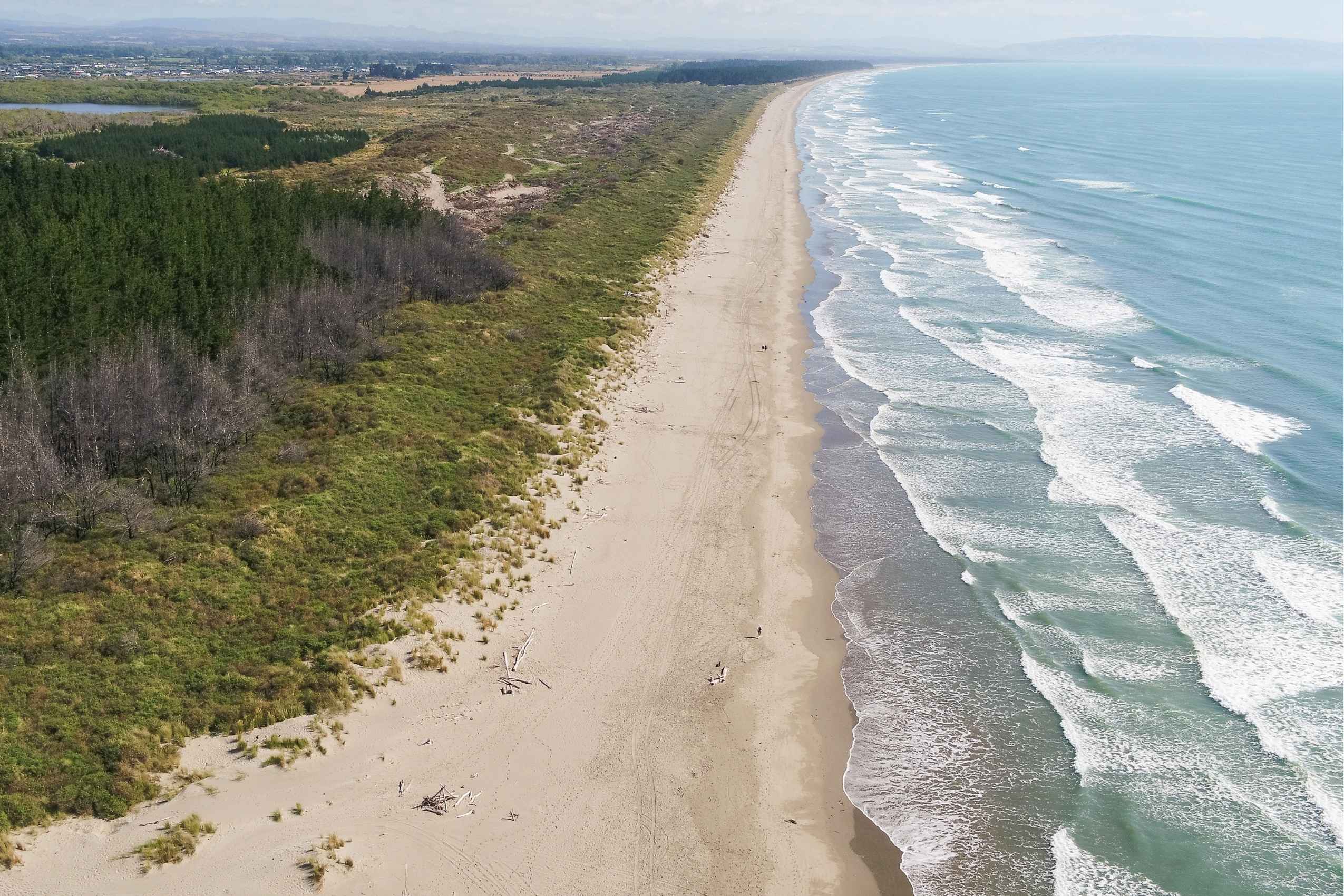
Waimakariri’s coastline – including beaches, estuaries, lagoons, and river mouths – is at risk of tsunami from both distant Pacific earthquakes and more local events.
Types of tsunami:
- Distant tsunami: Are generated from a long way away, such as off the South American coast. In this case, we will have at least 3 hours and in some cases up to 14 hours or more warning time for New Zealand.
- Regional tsunami: Are generated between one and three hours travel time away from their destination. A large earthquake in the Kermadec Trench to the north of New Zealand, or the Puysegur Trench to the south, could generate a regional tsunami.
- Local tsunami: Are generated very close to New Zealand. This type of tsunami is very dangerous because we may only have a few minutes warning.
Tsunami warnings
If you are near the coast and feel a long earthquake (more than a minute) or a strong earthquake (hard to stand up), you should immediately move inland or to higher ground. Do not wait for an official warning — natural warning signs are your cue to act.
Some tsunamis could arrive in minutes and there won’t be time for an official warning. It is important to recognise natural warning signs and act quickly.
What to look for:
- A strong earthquake that makes it hard to stand or a long earthquake that lasts more than a minute.
- A sudden rise or fall in sea level.
- Loud or unusual noises from the sea.
If a tsunami is coming from more than one hour away, there will be time to issue an official warning. You may receive an official tsunami warning as an emergency mobile alert (EMA) or through a siren where installed. You will be told which areas to evacuate from.
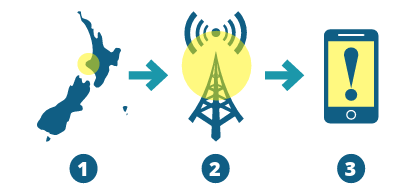
There are three siren locations in the Waimakariri District, they are stationed in the coastal communities at:
- The Pines Beach/Kairaki
- Woodend Beach
- Waikuku Beach
If you hear the coastal warning sirens, comply with any of its voice messages and follow instructions regarding evacuation of your area.
If a tsunami is coming from close by there won’t be sufficient time to activate the sirens. This is why it is important to take notice of natural warnings and evacuate if you feel a long or strong earthquake without waiting for the sirens to sound.
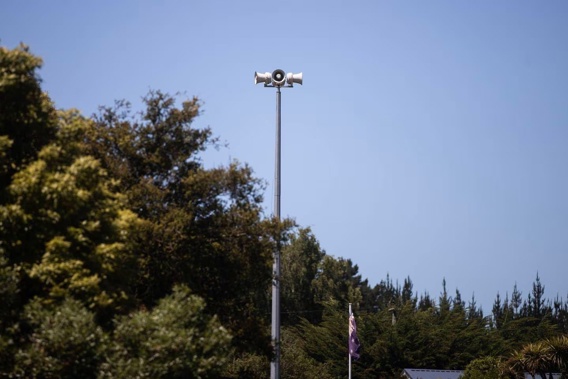
A tsunami warning siren at Waikuku Beach domain
How to evacuate during a tsunami
If you have a household evacuation plan, travel to your pre-arranged location that is outside of the evacuation zone. Use your pre-planned route where possible.
If you don’t have a home evacuation plan already in place, your priority is to make sure you are outside of the tsunami evacuation zone. In Waimakariri, this generally means you should be west of State Highway One. You may wish to travel inland to a nearby town such as Rangiora to wait for the official all-clear.
Limit traffic congestion
If you have to evacuate quickly, after a long or strong earthquake or if you are told to in an official warning, you should walk, run or cycle if you can. This reduces the chances of getting stuck due to damaged roads or traffic congestion. Where possible, use of vehicles on roads should be limited to emergency services and those with mobility impairments, including wheelchair users.
Wait for official advice
Do not go back inside the tsunami evacuation zone until you are advised that it is safe to do so. The Council will provide updates through our official communications channels.
If an earthquake is long or strong, get gone
More information
- Get prepared for a tsunami at getready.govt.nz
- Check to see if your phone can receive EMAs on the Get Ready website.
- Regularly practise your tsunami hikoi.