
Emergencies can happen anytime, anywhere. It’s up to you to make sure your household gets through an emergency.
Before an Emergency
Being prepared doesn’t have to be perfect or expensive; small steps taken now can help you cope when something goes wrong.
Emergencies can happen at any time, and often without warning. It is important to make emergency plans so you know what to do when an emergency happens.
Why a plan is important:
- Makes emergencies less stressful
- It lets everyone in your household know what to do in an emergency and how to get ready
Test your plan
Make sure your plan is practical, clear and workable for everyone in your household.
Here are some key things to think about:
- Does everyone know how to get in touch if you're separated?
- Do children know who to listen to and where to go?
- Where will you shelter at home?
- When would you evacuate, and where would you go?
- How will the plan work at night or during school hours?
- Are your food, water and medicines in date?
- Have you got enough supplies for babies and pets?
- Do you have an out-of-area contact everyone knows?
- Do you need help for anyone with mobility issues or medical needs?
Plans need updating if:
- You've moved house
- People have changed schools or jobs
- New people or pets have joined the household
Make a household emergency plan
Make a plan for your workplace, school or marae

In a major disaster, you may be stuck at home for three days or more. You could be without power and water, and there's a high chance the supermarkets and general supplies stores will be closed.
Think about what supplies you will need to get through
- How many people are in your household?
- Does a family member have disabilities or require additional medications?
- Do you have a baby who may need extra supplies?
- Is there enough stored water and food for everyone to last a week at home?
- Could you share supplies with your neighbours?
You don’t have to keep all your supplies in one place, as long as you know where they are and they’re easy to access in an emergency.
Visit the Get Ready website to work out what supplies you need
It doesn't need to be expensive
Pre-made emergency grab bags can be purchased from a range of stores. However, these can be expensive and you likely already have a lot of these supplies at home.
You can save money by making your own emergency kit.
You don’t need to double up if you’ve got some of what you need in grab bags or elsewhere at home. And you don’t have to get everything else at once. Add a couple of items to your regular shopping list until your kit is complete.
There are some simple things you can do to prepare your home before an emergency:
- Clean out your gutters and drains of debris.
- Trim your trees to make sure they're not encroaching on your driveway incase emergency services need to get through.
- If your property is prone to flooding, make sure you have sandbags ready, or alternatively, stock up on tarpaulins or empty sacks that you can fill.
The Natural Hazards Commission has a range of resources to help you make your home safer in natural disasters.
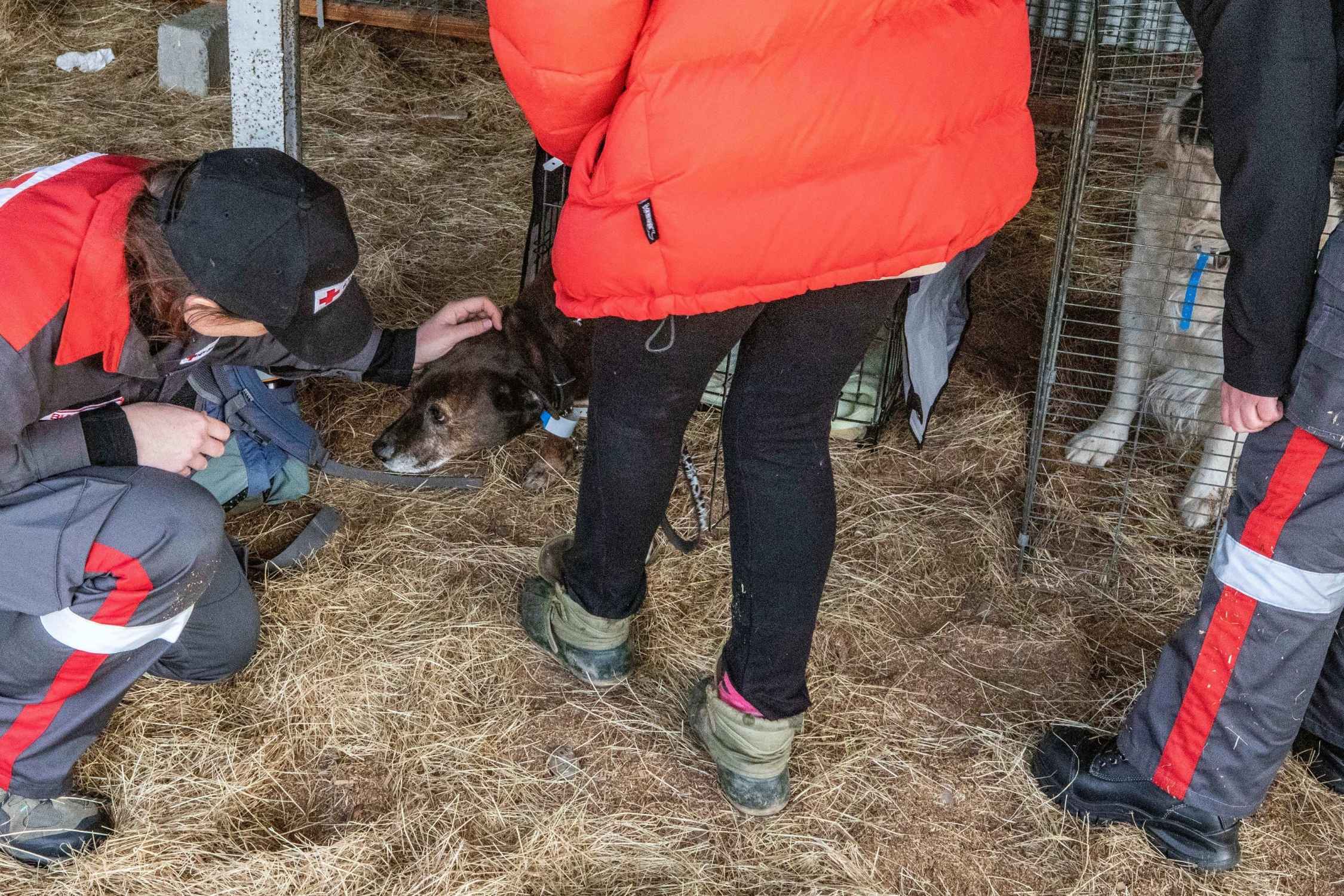
Your animals are your responsibility. Remember to include them in your emergency plan.
Things to remember:
- Microchip your pets and register them with the New Zealand Companion Animal Register
- Keep your dog's registration up to date
- Store enough food, water and supplies for your animal for at least three days
- Visit the Ministry for Primary Industries website to learn how to prepare your pets and livestock for emergencies.
Get to know your neighbours
You can be more prepared in an emergency by simply getting to know your neighbours, they may be your first and best source of support.
Connect with people on your street so in an emergency you can:
- Make sure everyone is safe and looked after, especially those who might need extra help (people living alone or elderly).
- Share resources and skills to support each other.
- Go to your Community Emergency Hub together to seek support and help others in the community.
North Canterbury Neighbourhood Support
Join or form a Neighbourhood Support Group. You and your neighbours can share skills and resources to help you get through in an emergency.
Learn how to connect with Neighbourhood Support in North Canterbury
North Canterbury Rural Support Trust
The North Canterbury Rural Support Trust is part of a nationwide network supporting farmers and their families through tough times.
The Trust has access to networks, services and government funding and can help people navigate their financial and personal challenges, or assist during climatic adverse events like drought, flood, or heavy snow.
Learn how to connect with North Canterbury Rural Support Trust
Volunteer
Within the Waimakariri District we have many dedicated and skilled volunteers who train on a regular basis to respond to an emergency. Teams vary in size, age, shape and skill, but all have a part to play in helping the community.
Find out more about becoming an emergency management volunteer
During an Emergency
It's important that you know what to do and where to go when an emergency happens.
Friends and family
If you need to evacuate or leave your home, it is important that you have somewhere safe to go, like to a friend’s or family member’s house.
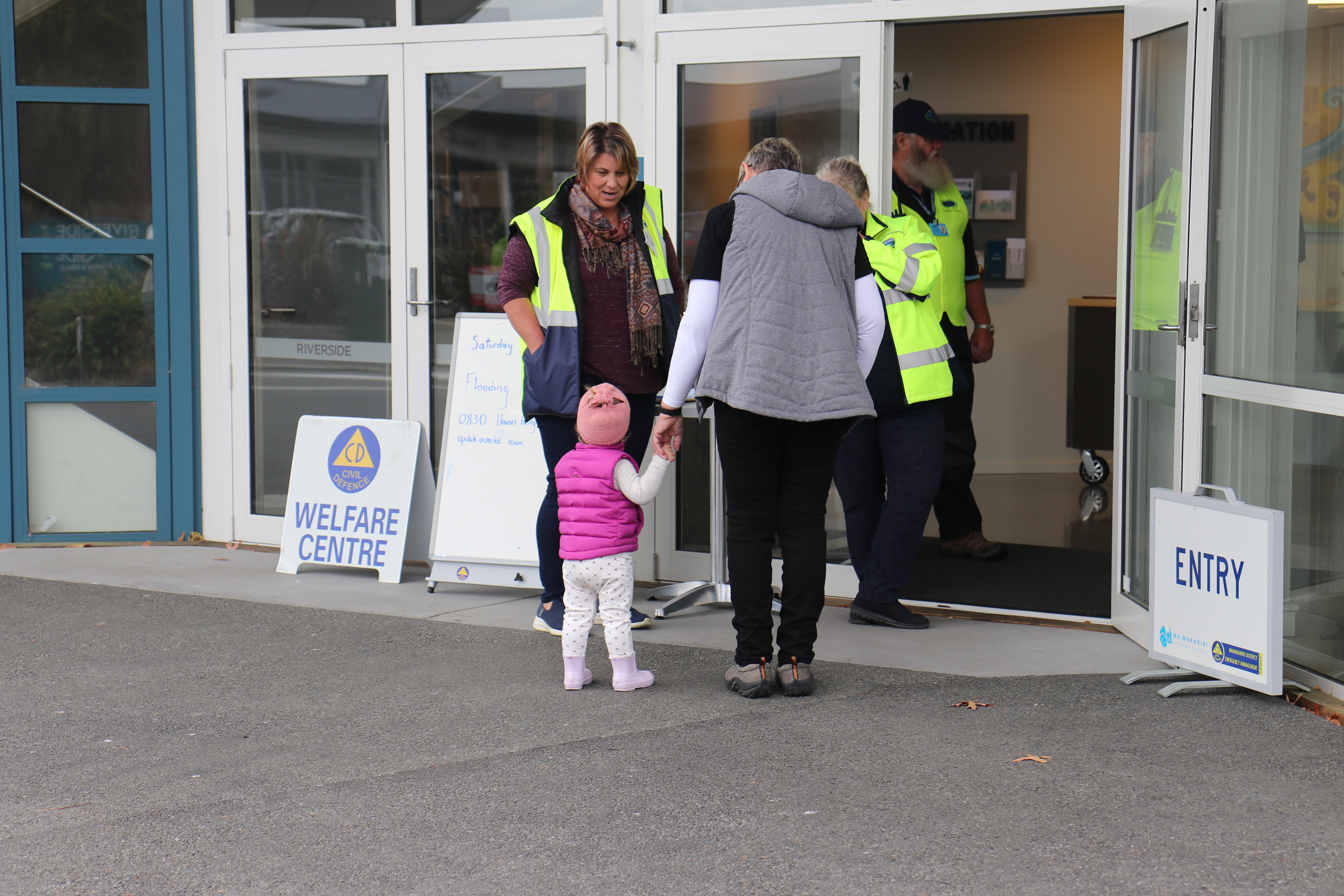
Civil Defence Centres
During a major disaster, Council's Emergency Management team and/or volunteers will open Civil Defence Centres for those who need support, food and accommodation.
We will provide updates on our official channels to let you know where our Civil Defence Centres are.
If it safe to do so, check on others during an emergency. Particularly those living alone, elderly or people who need extra support.
Make sure everyone is safe and looked after, and share resources if you need to.
It's also a good idea to check in on your neighbours, they may be your first and best source of support.
Follow official information channels
In an emergency, the Council will provide regular updates. You can find the latest information about an emergency under our News & Information section, and on our Facebook page.
The media will also provide updates. It’s important that you follow trusted media sources for accurate information.
Listen to the radio
If the power goes out, a solar- or battery-powered radio (or your car radio) can help you keep up to date with the latest news. In an emergency, tune to these stations:
We are lucky in Waimakariri to have a local radio station, Compass FM – 104.9 FM. Compass FM will provide live and local updates during an emergency.
Be aware of misinformation
During fast‑moving events, social media pages, group chats, and online forums may share rumours, assumptions, or outdated details.
Even when people mean well, misinformation can spread quickly — and may cause confusion, unnecessary alarm, or unsafe decisions.
If you’re ever unsure about something you’ve seen online, take a moment to check the source and verify it against our official updates.
Power outages
Mainpower is the electricity distribution network for North Canterbury.
- If your power goes out, visit mainpower.co.nz/no-power.
- You can see Mainpower's map of power outages.
If you lose power during an emergency, eat the food from your fridge first, then your freezer. Then eat the food in the cupboard or your emergency kit.
For safety reasons, use torches instead of candles for lighting. And make sure you have spare batteries.
You can visit the Get Ready website for more tips.
Road closures
There may be road and ford closures across Waimakariri. You can keep an eye on road closures on this live map.
Stay home in extremely adverse conditions where possible. If you need to travel, please drive to the conditions.
You can report issues to Council via our website.
If your query is urgent, please call us on 0800 965 468 (0800 WMK GOV)
After an Emergency
Recovering after an emergency can be a long and stressful process. But there are things you can do to get back on your feet faster.
The National Emergency Management Agency outlines what steps you can take following an emergency - including food safety, damaged property, managing stress and cleaning up.
Visit the National Emergency Management Agency website.
Council service requests
Following a civil defence emergency, such as a severe weather event, our teams will work to address issues raised by the community as quickly as possible. You can normally expect a response from Council staff within a couple of weeks.
Community Emergency Hubs
There is a network of Community Emergency Hubs across Waimakariri. These are places where you and your neighbours can go to support each other and work out what to do next.
Community Emergency Hubs are not managed by Council's Emergency Management team. They can be run by the community during and following an emergency, and you can pitch in to help and offer resources to neighbours.
Find your nearest Community Emergency Hub