
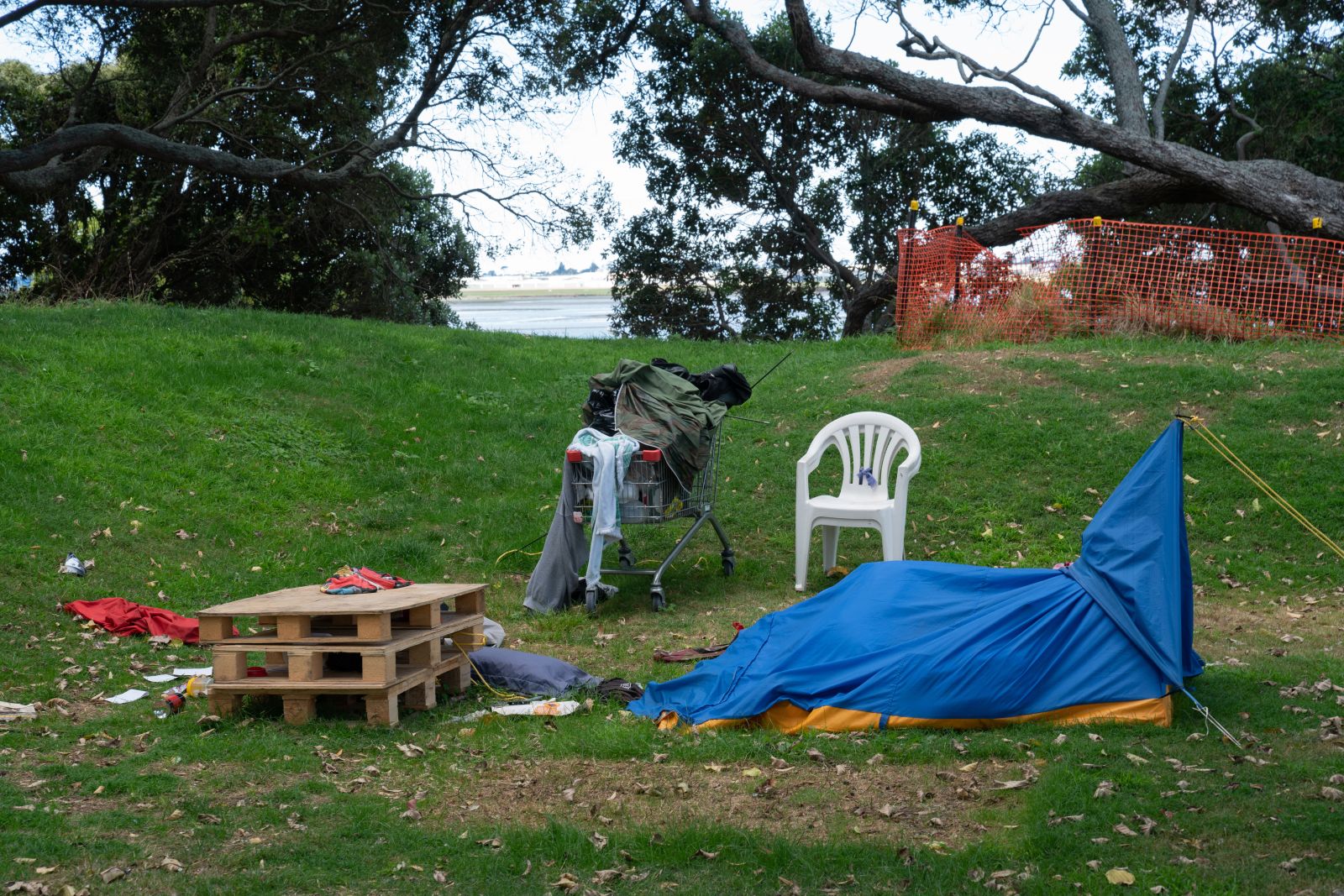
Homelessness is a complex social issue, with no easy or quick fix.
We cannot address this issue on our own and support a community-wide approach to both understanding and responding to homelessness.
Waimakariri has many social agencies that work with our vulnerable street community to navigate the complicated issue of housing deprivation. Together we can help to develop and nurture networks, and bring resources and people together, to achieve more for homeless people.
Statistics NZ defines homelessness as:
A living situation where people with no other options to acquire safe and secure housing are:
- without shelter
- in temporary accommodation
- sharing accommodation with a household
- living in uninhabitable housing
This includes people sleeping on the street or in parks, in a car or shed, those who are couch-surfing or house-jumping and those forced to live with whānau in overcrowded residences.
Homelessness results from multiple factors, with a key driver being a lack of social and affordable housing. The most at-risk groups include those with mental health issues or alcohol and drug addictions, and those experiencing family violence.
However, homelessness is increasingly being experienced by groups who have not traditionally been at risk.
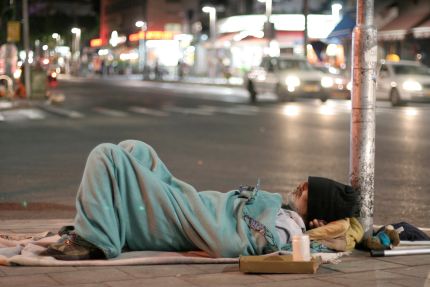
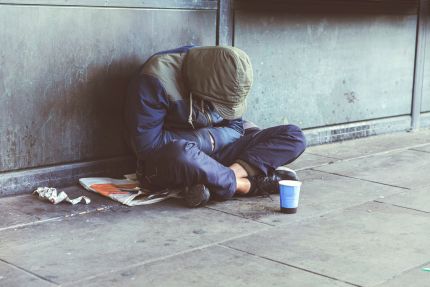
There are a small number of people who beg in Waimakariri. This happens more commonly in the townships and commercial areas.
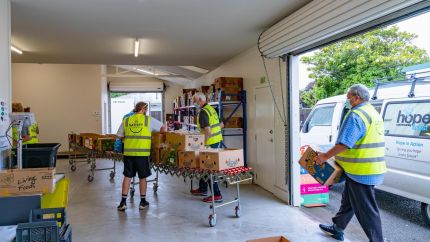
It can be confronting to see begging in person and makes us wonder what we can do to address issues. Supporting one of the district's social agencies, either financially or with your time, is one way you can help.
Giving money to people on the street is a short-term act of kindness. Supporting a social service is a long-term community solution.
Begging is not illegal. However, intimidating or threatening behaviour can breach criminal laws and should be reported to the police.
Begging is not illegal. However, intimidating or threatening behaviour can breach criminal laws and should be reported to the police.
Urgent matters
If you need urgent help from the police, ambulance or fire service, call 111.
Urgent matters can be issues such as intimidating, aggressive or anti-social behaviour; assistance in trespassing someone from a private property; reporting drug use, substance abuse or drinking alcohol in banned areas; or other criminal behaviour.
Non-urgent matters
If you need to talk to the police and the matter is not urgent, call 105 or go online to report a problem.
We have some bylaws, or rules, that affect the way our residents live, work and play in certain areas. These relate to issues such as alcohol use in public places or camping in a park or reserve.
If you feel these rules are being broken you can call us on 0800 965 468 or use our Contact Us page to report issues Council can respond to such as:
- litter in a public place
- a dog problem
- damage to public property.