
Out with the old, in with the blue: Waimakariri’s tsunami evacuation zones have been simplified as part of a nationwide “blue zone” rollout.
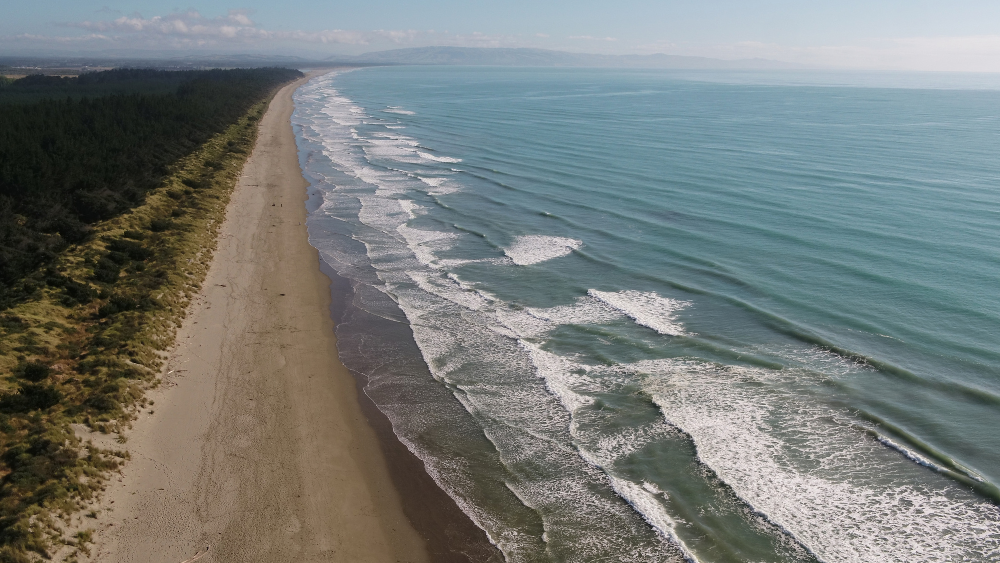
The district’s previous red, orange and yellow tsunami evacuation zones have been replaced with one blue zone. The change follows updated national guidance from the National Emergency Management Agency (NEMA), which requires all councils across New Zealand to move to the national single blue zone by 2031.
The blue tsunami evacuation zone identifies areas that could be flooded or cut off in a rare, worst-case tsunami and the message remains the same – “If an earthquake is long or strong, get gone”.
While most tsunamis are expected to be smaller, having one evacuation zone makes it simpler for people to know when to leave and where to go.
Council’s Manager of Emergency Management Elena Gessler says updated tsunami modelling means some properties may have moved into or out of the new blue evacuation zone.
"The evacuation zone boundaries have been reassessed using the latest modelling, so even if you've checked your property before, you may want to check again.”
Residents will now see the new blue zone displayed on online maps, while tsunami information signboards are being replaced across Waimakariri’s coastal areas and beaches.
Councillor and portfolio holder for Civil Defence, Jason Goldsworthy, says that with about 10,000 Waimakariri residents living within the blue zone, it’s important that they know where they need to get to, and have their evacuation route planned.
“A tsunami could arrive within minutes or a couple of hours. If you’re near the coast and feel a long or strong earthquake, don’t wait for an official warning or an emergency mobile alert. You should immediately make your way outside of the blue zone.
“As a general rule of thumb, you should aim to get west of State Highway 1.”
“Another thing to consider is congestion,” says Jason. “At the peak of summer, there may be hundreds of people at our beaches needing to evacuate at a moment’s notice. If you can, choose to walk, run or cycle rather than drive. This will help ease congestion and keeps the roads clearer for more vulnerable residents.”
The launch of the new blue zone coincides with New Zealand ShakeOut, the country's national earthquake drill and tsunami evacuation, taking place later this month on 21 October.
Know if you're in the blue zone
To see if the places you live, work or visit are in the blue tsunami evacuation zone, visit waimakariri.govt.nz/tsunami or cdemcanterbury.govt.nz/hazards/tsunamis
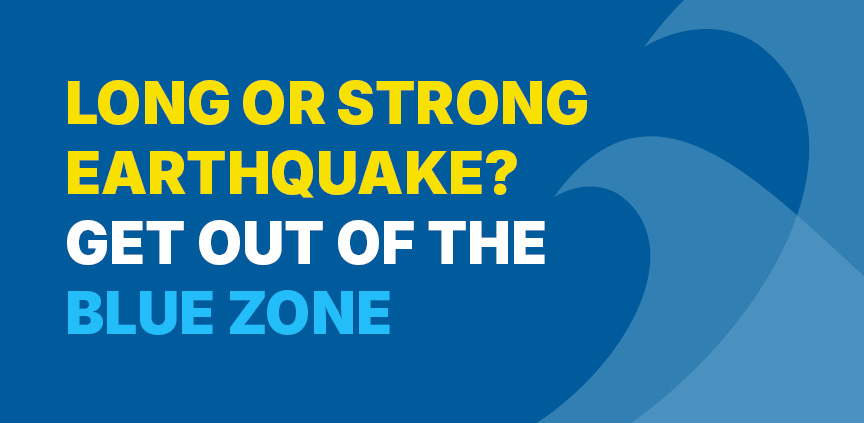 There have been minor changes to Waimakariri's tsunami evacuation zone boundaries.
The key changes are:
- Red, orange and yellow tsunami zones have become one blue zone.
- If you were in the red or orange zone, you're now in the blue zone and your evacuation action remains the same.
- From Ashworths Beach to Woodend Beach, including Waikuku Beach and Pegasus: The previous red, orange and yellow tsunami evacuation zones have been combined into a single blue tsunami evacuation zone. There is no change to how far inland the evacuation zone extends in these areas.
- Kairaki, The Pines Beach and low-lying parts of Kaiapoi: Most of the previous orange evacuation zones are included within the new blue tsunami evacuation zone.
- Silverstream: Small areas of the former orange zone adjacent to the Kaiapoi River, Cust River and Ohoka Stream are no longer included.
- The area north of Kaiapoi North School, including Sovereign Palms: This was within the previous yellow evacuation zone but has not been included in the new blue tsunami evacuation zone.
- The area between Fuller Street, SH1 and Ohoka Road, and the area between SH1, Lineside Road, Bramleys Road and Cox/Church Bush/Pa Roads: These areas were within the previous yellow evacuation zone but are not included in the new blue tsunami evacuation zone.
- Pegasus: If you were previously in the yellow zone, you are now in the blue tsunami evacuation zone. We have kept the evacuation zone boundary along Nga Tupuna Street/Pegasus Main Street as an easily communicated and easily identified landmark.