
The Waimakariri District Council’s new Parking and Traffic Bylaw 2026 is now in effect, following its adoption by Council last week.
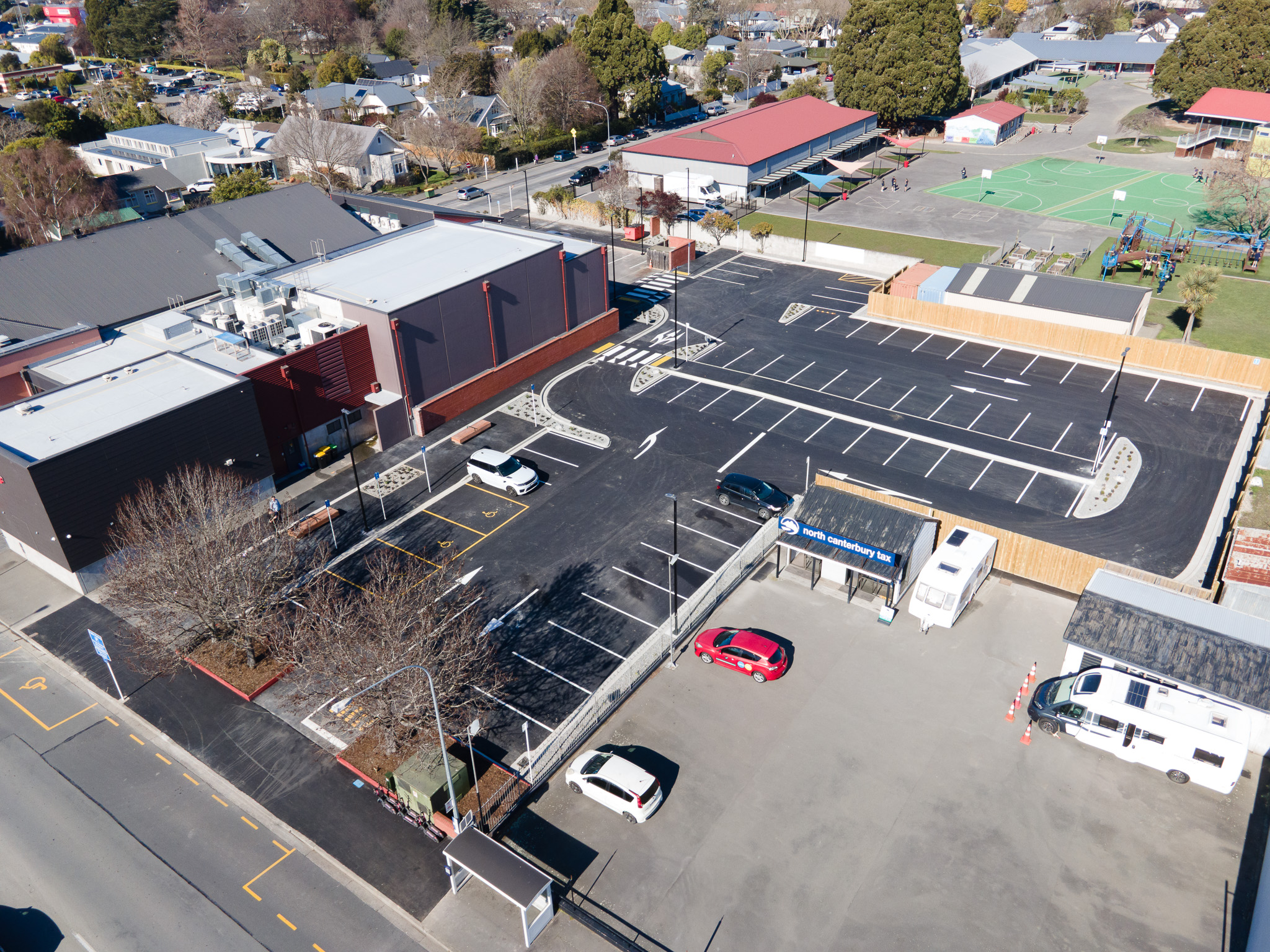
The bylaw came into force on Monday 10 August and provides the rules for parking and traffic movements on public roads and public places across the Waimakariri District.
The bylaw helps manage how our roads and public spaces are used, with a focus on keeping people safe, maintaining access, protecting public infrastructure and making sure parking is managed fairly.
Why has the bylaw been updated?
The previous Parking Bylaw was adopted in 2019. Since then, the district has continued to grow and the way people use roads and public spaces has changed.
The updated bylaw brings parking and traffic rules together in a more comprehensive framework and responds to changing transport needs, including mobility access, overnight parking, electric vehicle charging, heavy vehicles and the use of public spaces.
It also provides Council with clearer and more consistent tools to manage parking and traffic issues across the district.
What does the bylaw cover?
The Parking and Traffic Bylaw 2026 covers a range of parking and traffic matters, including:
- parking controls and restrictions in urban and rural areas
- parking zones and residents’ parking arrangements
- overnight parking in selected areas
- reserved parking spaces, including mobility, electric vehicle charging and carpool spaces
- traffic movement controls, such as one-way streets, turn restrictions and keep-clear areas
- restrictions relating to heavy vehicles and engine braking
- mobile trading on roads and public places
- rules relating to motorhomes and trailers
- requirements designed to protect access, safety and public infrastructure
- enforcement provisions to support fair and consistent compliance.
The bylaw also updates definitions and provides greater flexibility to introduce location-specific parking and traffic controls where these are needed.
What does this mean for you?
For most people, the bylaw provides a clearer framework for the everyday use of roads and public parking areas.
Drivers should continue to check parking signs and road markings and make sure they are complying with any restrictions that apply in the area they are using.
The rules are particularly important in areas where parking needs to be managed carefully to maintain access for residents, businesses, pedestrians and other road users.
The bylaw is intended to support a transport network that works for everyone — whether you are driving, walking, cycling, using mobility equipment, running a business or accessing local services.